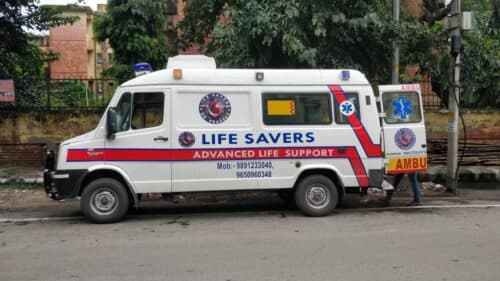

What Are the Different Instruments Used in a Critical Care Private Ambulance_
Published on: March 22, 2026
When we think of intensive care units (ICUs), the first image that comes to mind is usually a
hospital room full of machines and monitors. But modern critical care private ambulances or
ICU ambulances are designed to bring that level of care to patients even during transport. This
blog explains the instruments used inside such ambulances and how they ensure patient safety
during road transfers.
Life-saving tools
An ICU ambulance is equipped to provide continuous life support until the patient reaches the
hospital. Key instruments include:
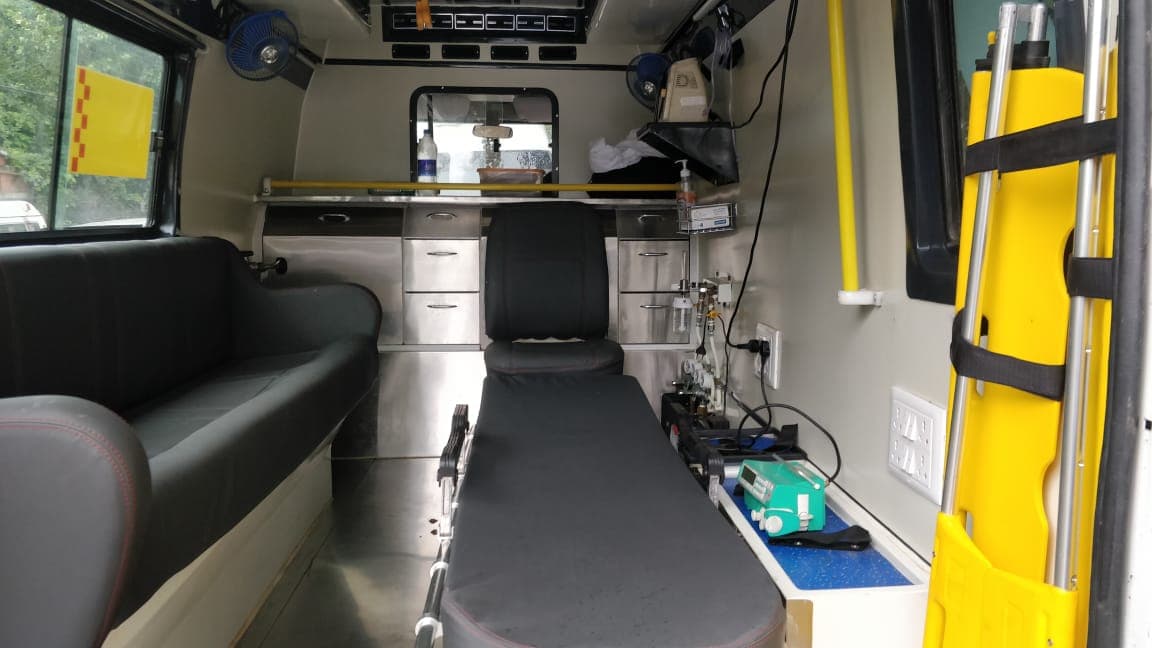
- Cardiac monitors to track heart activity
- Ventilators for assisted breathing
- Blood pressure monitors and pulse oximeters
- Syringe pumps for precise medication delivery
- Oxygen supply systems
In short, anything found in a hospital ICU is available in a well-equipped Lifesavers
private ambulance.
Air and environment control systems
Maintaining a stable environment is critical for patient care. ICU ambulances are equipped with
systems to control temperature, humidity, and ventilation, ensuring the patient remains stable
throughout the journey.
Diagnostic equipment
Some ICU ambulances also carry portable diagnostic tools, such as ECG machines,
ultrasound devices, and X-ray equipment, making them a mini-hospital on wheels.
Medicinal and emergency supplies
A fully equipped private ambulance service in Delhi or other cities carries essential
medications and emergency supplies, including bandages, splints, glucose, catheters, and
more, to handle unexpected situations during transit.
Why Choose a Critical Care Private Ambulance?
Transporting a critically ill patient in a standard vehicle is risky and may worsen their condition.
A Lifesavers ICU ambulance ensures continuous monitoring, rapid intervention, and a safe
environment for the patient. Whenever possible, choose a specialised ICU ambulance over
ordinary transport to ensure the best possible outcomes.
Need Emergency Ambulance?
Life Savers Ambulance operates 24x7 across India — air, rail & road.
Call 24x7: +91-9310864489