
What to do immediately on seeing a person with a heart attack_
Published on: March 22, 2026
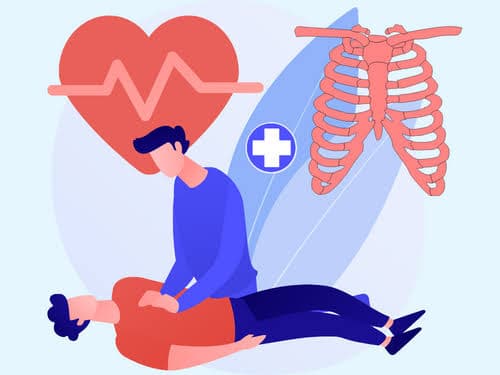
Heart attacks are increasingly common, and encountering someone experiencing one can be
stressful. Life Savers know that immediate, correct action can be the difference between life and
death. Understanding the right steps to take can help save the life of a family member, friend, or
stranger.
Quick recognition is critical. Common signs of a heart attack include:
- Pain or discomfort in the chest, which can be on the left, right, or central area
- Shortness of breath
- Nausea or vomiting
- Giddiness or dizziness
- A feeling of extreme anxiety or impending doom
Promptly recognizing these symptoms allows you to act quickly and calmly.
Create Space and Position the Patient
A person experiencing a heart attack often feels breathless. Ensure the area is clear and free of
crowding to allow proper airflow. Have the patient lie down, as forcing them to walk or move
can worsen their condition. If possible, slightly elevate their legs to aid circulation.
Loosen Clothing for Comfort
Tight clothing can restrict breathing and circulation. Loosening collars, belts, or waistbands can
improve comfort and help the patient respond better to instructions.
Contact Family, Friends, or a Doctor
Immediately try to reach the patient’s family, friends, or their doctor. Ask if they have SOS
medications, such as sublingual nitroglycerin (Tab Sorbitrate), which can relieve symptoms
in some cases. A doctor on call can guide you with precise instructions until professional help
arrives.
Call for Emergency Medical Assistance
Life Savers emphasize contacting emergency services without delay. Whether using a road
ambulance in Delhi, air ambulance, or train ambulance for critical transfers, professional
medical care should be en route as quickly as possible.
Perform CPR if Necessary
If the patient collapses and is unresponsive, start cardiopulmonary resuscitation (CPR)
immediately while waiting for emergency responders. CPR is a crucial life-saving skill that
increases the chances of survival during cardiac emergencies.
Conclusion
Being prepared and knowing these steps can save a life. Life Savers encourage everyone to
learn CPR, recognize heart attack symptoms, and act promptly. Quick, calm, and effective
response ensures the patient receives the care they need while minimizing complications.
Need Emergency Ambulance?
Life Savers Ambulance operates 24x7 across India — air, rail & road.
Call 24x7: +91-9310864489