
Working With An ICU Ambulance Provider
Published on: March 22, 2026
clinical support. Working effectively with an ICU ambulance provider can help stabilize the
patient and reduce avoidable delays during the most critical phase of care.
Case Overview
During emergencies such as uncontrolled bleeding cardiac events or organ failure immediate
medical transport becomes essential. Life Savers Ambulance Services manages ICU
ambulance responses with a structured approach that depends not only on medical readiness
but also on accurate information provided by the caller.
Patient Condition
Patients requiring ICU ambulance support are often unstable and may deteriorate quickly.
These cases differ from minor injuries or non urgent complaints where basic support may be
sufficient. ICU level care is intended for patients who need continuous monitoring advanced
airway support or urgent intervention during transfer.
Transport Decision
Choosing an ICU ambulance is appropriate when the situation involves high risk or rapidly
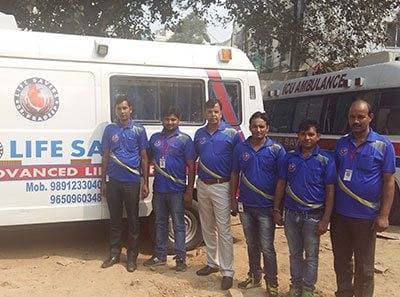
progressing symptoms. Life Savers deploys ICU ambulances staffed with trained medical
personnel capable of managing complex emergencies while en route to the hospital.
Medical Setup
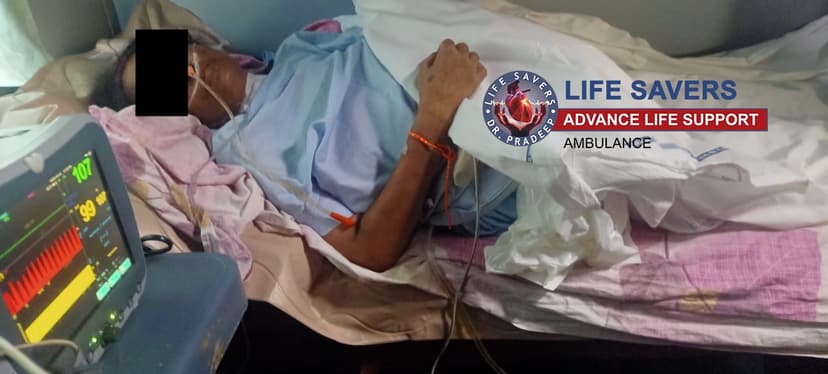
An ICU ambulance is equipped with advanced monitoring systems oxygen delivery ventilatory
support emergency medications and resuscitation equipment. This setup allows medical teams
to assess stabilize and manage the patient continuously during transit.
Execution
Effective coordination begins with the initial call. Remaining calm allows clear communication of
symptoms and events. Providing an accurate location helps reduce response time especially in
unfamiliar areas. Staying on the call until advised ensures that instructions can be followed
while the ambulance is dispatched.
If available medical records details of existing conditions medications and allergies should be
gathered as they assist the medical team in choosing appropriate interventions. Keeping the
surrounding area clear including securing pets helps the crew access the patient without
obstruction.
Once the medical team arrives their priority is rapid assessment and stabilization. Interaction
with family members is limited during this phase to focus on immediate care. Decisions
regarding hospital destination are made based on the patient’s condition and the facilities
required for definitive treatment.
Arrival and Handover
Upon reaching the hospital the patient is transferred under continuous monitoring. A structured
handover includes clinical findings vitals interventions performed and relevant medical history
shared during the call and on site. This ensures continuity of care without delays.
Clinical Perspective
ICU ambulance care relies on preparation communication and clinical precision. Timely
activation accurate information and patience during on site management support better
outcomes. Life Savers follows a medically structured response model to ensure that patients
receive appropriate critical care support from the moment help is requested until hospital
admission.
Need Emergency Ambulance?
Life Savers Ambulance operates 24x7 across India — air, rail & road.
Call 24x7: +91-9310864489