
When to Call Emergency Ventilator Ambulance_
Published on: March 22, 2026
Certain medical symptoms indicate a need for immediate respiratory or advanced life support
during transfer. Recognizing when a ventilator equipped ambulance is required can prevent
deterioration before hospital care begins.
Case Overview
During periods of increased medical demand especially respiratory illnesses timely judgment
becomes essential. Not every symptom requires an advanced ambulance however some signs
indicate a high risk of rapid decline. Life Savers Ambulance Services follows a clinically cautious
approach to identify situations where ventilator support during transport is medically justified.
Patient Condition
Patients who require ventilator ambulance support often show signs of compromised breathing
circulation or neurological function. These conditions may progress unpredictably and can
become life threatening without oxygenation airway support or continuous monitoring.
Transport Decision
An emergency ventilator ambulance should be called when symptoms suggest that basic
support may not be sufficient during transit. Life Savers ensures that such transfers are carried
out with trained medical staff capable of managing sudden respiratory or cardiac deterioration.
Medical Setup
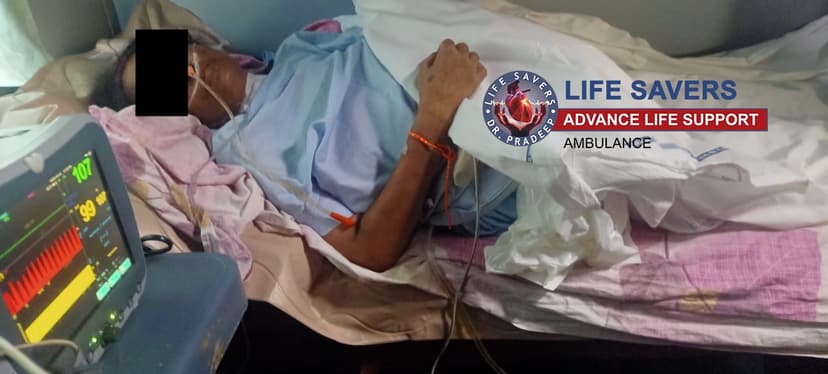
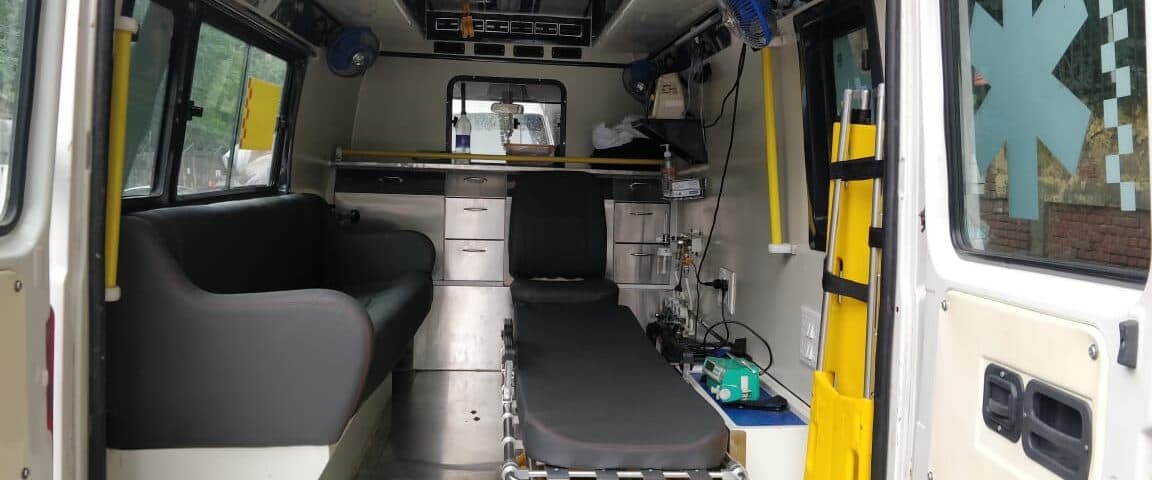
Ventilator ambulances are equipped with mechanical ventilators oxygen supply cardiac monitors
suction units airway management tools and emergency medications. This setup allows
stabilization and continuous support until the patient reaches definitive care.
Execution
Below are situations where urgent ventilator ambulance assistance may be required:
Severe Chest Pain
Chest pain lasting more than a few minutes that is intense worsening or associated with
collapse may indicate a cardiac or pulmonary emergency. Immediate monitored transport is
essential in such cases.
Persistent Shortness of Breath
Repeated or sudden difficulty in breathing may reflect low oxygen levels lung infection
pulmonary embolism or respiratory failure. Ventilator support may be required if oxygen alone is
insufficient.
Sudden Vision Loss or Neurological Symptoms
Blurred vision partial vision loss severe headache dizziness or slurred speech may indicate a
stroke or neurological compromise requiring rapid medical intervention.
Moderate to Severe Burns
Second degree or third degree burns involving deeper skin layers may affect breathing
circulation or fluid balance. These injuries require controlled transfer with advanced monitoring.
Continuous Vomiting
Persistent vomiting especially with blood fever or weakness can lead to dehydration aspiration
or shock. Children and elderly patients are particularly vulnerable.
Deep or Contaminated Cuts
Deep wounds with visible tissue heavy bleeding animal bites or injuries involving sensitive areas
require urgent medical attention during transfer.
Severe Abdominal Pain
Intense abdominal pain lasting several hours especially when associated with vomiting or fever
may suggest conditions such as appendicitis or internal infection.
Genital Emergencies in Women
Heavy bleeding during late pregnancy severe pelvic pain dizziness or cramps may indicate
obstetric emergencies that require immediate medical supervision.
Genital Emergencies in Men
Sudden severe testicular or pelvic pain swelling redness nausea or fever may signal torsion or
infection requiring urgent care.
Arrival and Handover
On arrival at the hospital a structured clinical handover is provided detailing symptom
progression vitals oxygen or ventilator support provided and all interventions during transit. This
ensures seamless continuation of care.
Clinical Perspective
Ventilator ambulances are reserved for conditions where respiratory or systemic stability cannot
be ensured without advanced support. Early recognition and timely activation reduce
preventable complications. Life Savers follows medically guided protocols to ensure that
ventilator ambulance services are used appropriately and effectively during critical emergencies.
Need Emergency Ambulance?
Life Savers Ambulance operates 24x7 across India — air, rail & road.
Call 24x7: +91-9310864489