
What is the root cause of winter pollution in Delhi_
Published on: March 22, 2026
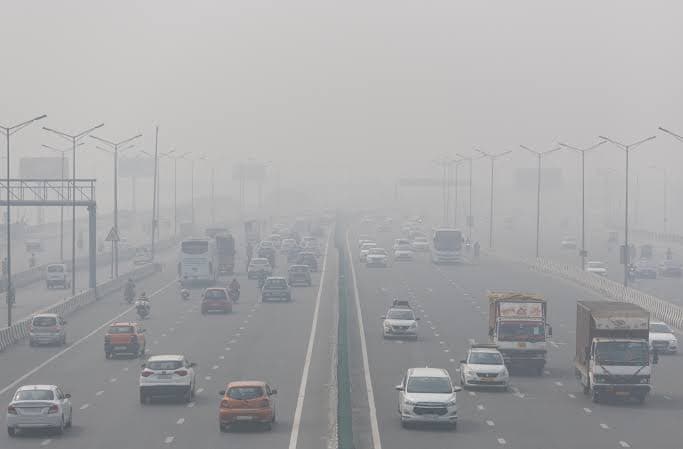
Delhi experiences severe winter pollution each year, affecting residents and the ecosystem. The
Air Quality Index (AQI) often reaches hazardous levels above 500, leading to respiratory issues
and other health complications. Life Savers recognize the significance of understanding these
environmental risks and promoting preventive measures.
Key Causes of Winter Pollution
The primary contributor to Delhi’s winter smog is stubble burning by farmers, accounting for
nearly 42% of the pollution. After harvesting, crop residues are burned to clear fields quickly,
releasing large amounts of particulate matter into the air. Other significant factors include:
- Vehicular emissions: Older vehicles and increased traffic contribute substantially to
harmful gases and fine particulate matter.
- Industrial emissions: Factories release pollutants that combine with winter smog,
worsening air quality.
- Festive activities: Diwali celebrations involve bursting firecrackers, which temporarily
spike air pollution levels.
Challenges in Reducing Pollution
Despite government measures, winter pollution persists. Policies like fines for stubble burning
have been implemented, but enforcement and alternative solutions remain limited. Sustainable
approaches are needed to balance agricultural practices, industrial activity, and urban living.
Several strategies can help reduce Delhi’s winter pollution:
1. Support for farmers: Provide subsidized machinery to process crop residues, reducing
the need for burning.
2. Industrial utilization: Encourage industries to use crop residues as raw materials for
energy or manufacturing.
3. Construction site regulations: Use dust-control equipment and best practices to
prevent airborne particulate matter.
4. Vehicle management: Phase out old vehicles and consider traffic measures like
odd-even schemes to limit road pollution.
5. Festive awareness: Promote alternatives to firecrackers to maintain cultural practices
without compromising air quality.
Role of Citizens
While government action is essential, public participation is equally critical. Life Savers
emphasize raising awareness about air quality, using masks during high pollution periods,
reducing personal vehicle use, and advocating for cleaner practices in communities.
Conclusion
Winter pollution in Delhi is a recurring health and environmental crisis. Effective control requires
collaboration between authorities, industries, and citizens. Through preventive measures,
awareness, and responsible practices, Delhi can gradually reduce the harmful impacts of winter
smog, safeguarding the health of its residents and the ecosystem.
Need Emergency Ambulance?
Life Savers Ambulance operates 24x7 across India — air, rail & road.
Call 24x7: +91-9310864489