
What Is the Role of a Private Ambulance in Emergencies_
Published on: March 22, 2026
suddenly needs urgent medical attention, panic often takes over. The immediate instinct is to
reach the nearest or best possible hospital as quickly as possible. But situations become more
challenging when the required hospital is far away or even in another city.
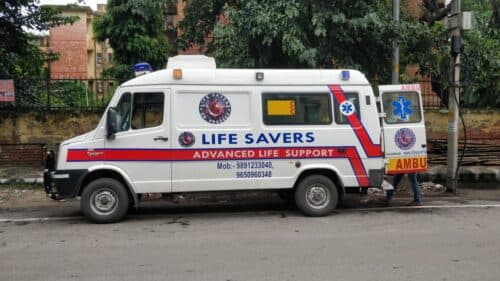
In moments like these, instead of panicking, timely access to a private ambulance service can
make a critical difference. A well-equipped ambulance ensures that medical care does not stop
during transit, especially when time and patient stability are crucial.
On-the-go medical attention
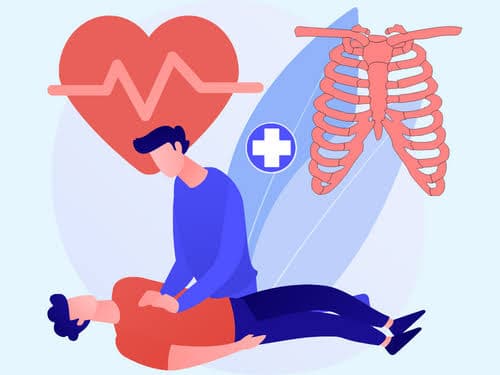
A private ambulance with an ICU setup allows patients to receive continuous medical care
while being transported. Trained paramedics and medical staff can monitor vital signs,
administer oxygen, and manage emergencies during transit. This becomes especially important
when the patient’s condition is more serious than initially expected.
Faster movement through traffic
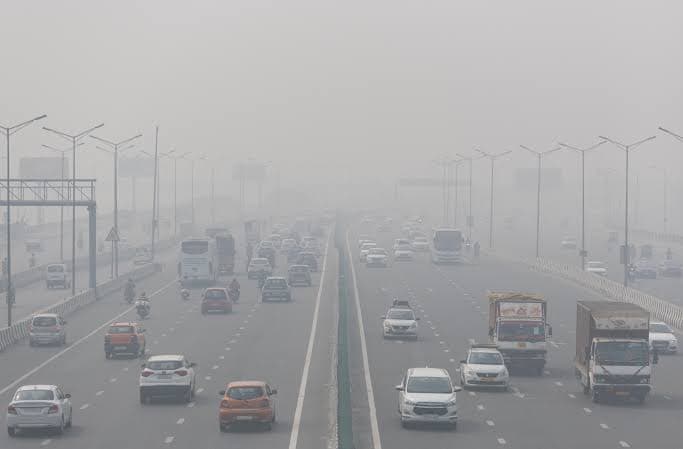
In cities like Delhi and other urban areas, traffic delays can significantly affect emergency
response time. An emergency ambulance service is given priority on the road, helping
patients reach the hospital faster compared to regular vehicles. This time advantage can be
life-saving in critical situations.
Long-distance transfers through air or rail
Not all emergencies can be managed locally. Sometimes, patients need to be shifted to
specialised hospitals in other cities. In such cases, air ambulances in India or rail ambulance
services are used for safe long-distance medical transport. An air ambulance service in New
Delhi, for example, allows patients to reach another city within a few hours, while train
ambulances provide a stable option for patients who require continuous monitoring over longer
journeys.
Choosing the Right Ambulance During an Emergency
Road ambulances are generally suitable for short distances within a city, while train
ambulances and air ambulances are better suited for inter-city transfers. The choice depends
on the patient’s condition, distance, urgency, and medical requirements. A quick priority
assessment helps determine the safest and most effective mode of transport.
In emergency situations, timely medical transport is as important as hospital care itself. Access
to a reliable ambulance service, such as those coordinated by Lifesavers, ensures that
patients receive uninterrupted medical support when they need it the most.
Need Emergency Ambulance?
Life Savers Ambulance operates 24x7 across India — air, rail & road.
Call 24x7: +91-9310864489