
Delhi – Hyderabad _ ICU Train Ambulance Transfer
Published on: March 22, 2026
respiratory support. Life Savers Ambulance Services carried out this intercity ICU train
ambulance transfer with a structured clinical approach and full medical supervision.
Case Overview
A patient who had initially arrived in Delhi after referral from Srinagar required onward transfer to
Hyderabad for advanced medical management. Considering the distance and the patient’s
ongoing oxygen dependency, an ICU Train Ambulance was selected as the safest mode of
transport.
Patient Condition
At the time of transfer, the patient was clinically stable but required continuous oxygen support.
Close observation was necessary to monitor respiratory status and prevent deterioration during
the prolonged journey.
Transport Decision
Given the long travel duration between Delhi and Hyderabad and the patient’s need for
uninterrupted oxygen therapy, rail-based medical transport was chosen. An ICU Train
Ambulance allowed sustained respiratory support, steady transit conditions, and continuous
clinical oversight.
Medical Setup
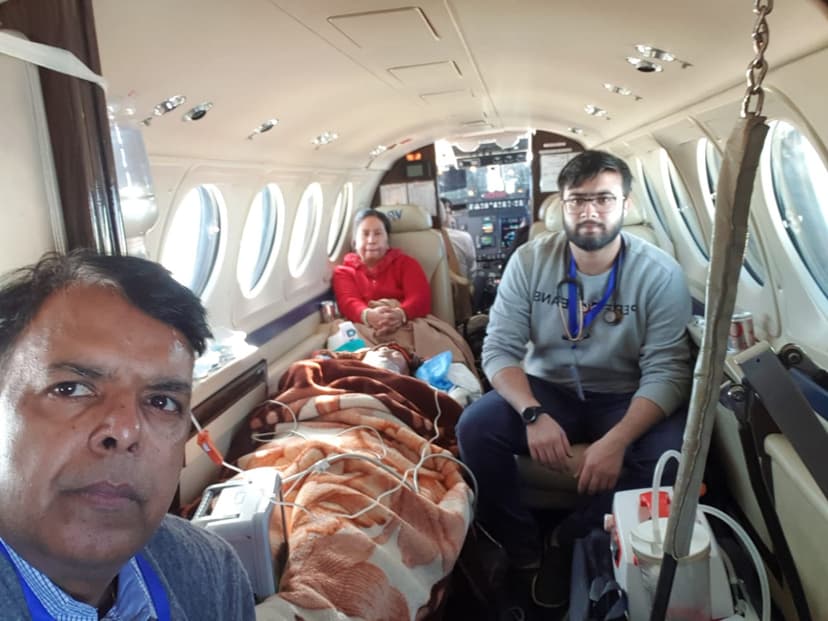
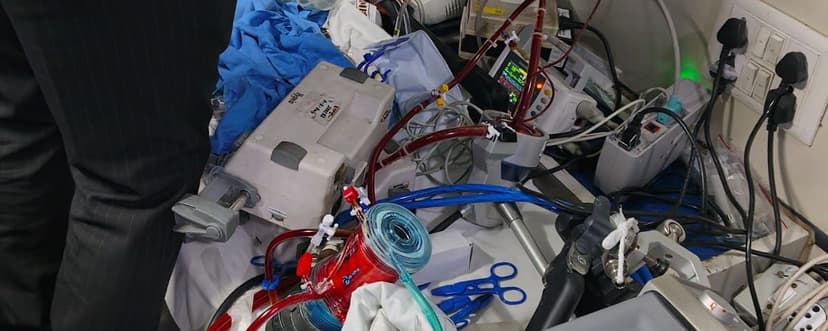
Life Savers Ambulance Services deployed a fully equipped ICU Train Ambulance, which
included:
- Continuous oxygen delivery system
- Multi-parameter patient monitoring
- Emergency airway and resuscitation equipment
- Infusion and supportive care supplies
The patient was accompanied by a trained medical team experienced in rail-based critical care
transport.
Execution of Transfer
The transfer followed a bed-to-bed protocol, ensuring seamless transition from hospital care to
onboard medical support. Vital parameters and oxygen saturation were continuously monitored
throughout the journey, maintaining clinical stability from departure to arrival.
Arrival and Handover
Upon reaching Hyderabad, the patient was safely transferred to the receiving hospital. A
structured medical handover was provided to ensure continuity of care and ongoing treatment
planning.
Clinical Perspective
This case highlights the effectiveness of ICU Train Ambulance services for long-distance
transfers involving oxygen-dependent patients. Through careful planning, appropriate medical
infrastructure, and experienced personnel, Life Savers ensured a safe and clinically stable
transition for continued definitive care.
Need Emergency Ambulance?
Life Savers Ambulance operates 24x7 across India — air, rail & road.
Call 24x7: +91-9310864489