
Lifesavers Paediatric Commercial Air Transport
Published on: March 22, 2026
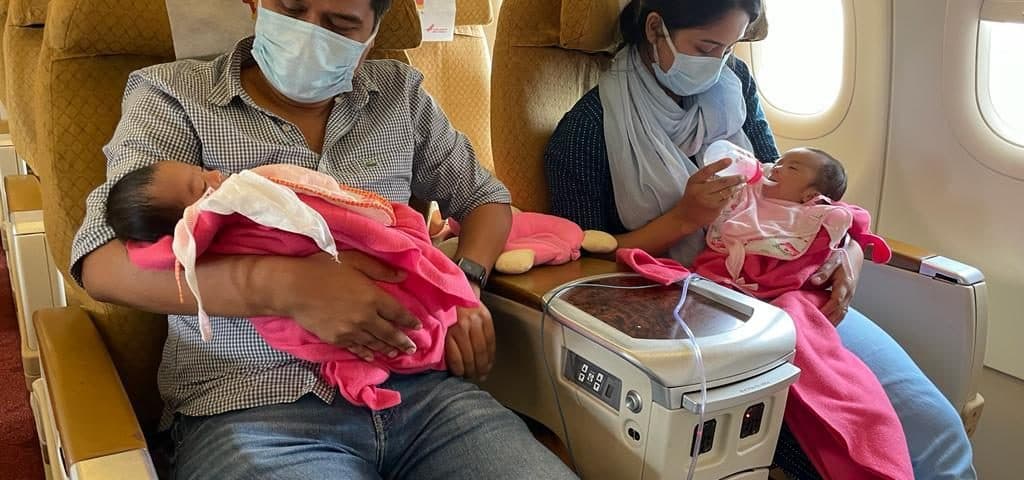
medical support. Two three-month-old twin babies, who were neurologically sluggish, were
safely transported from Imphal to Delhi via commercial flight under the supervision of Life
Savers Ambulance Services.
Case Overview
The twins required urgent evaluation and treatment at a higher medical facility in Delhi. Given
their delicate condition, oxygen support and close monitoring were essential throughout the
journey. Life Savers coordinated the commercial flight transfer, ensuring uninterrupted medical
care from departure to arrival.
Patient Condition
At the time of transport, both infants exhibited neurological sluggishness and required
supplemental oxygen. Infants in such conditions are highly sensitive to changes in environment,
altitude, and handling, making continuous observation and intervention critical during air travel.
Transport Decision
A commercial flight with medical escort was chosen for rapid intercity transfer while maintaining
safety. This decision minimized travel time compared to road transport and ensured immediate
access to specialized pediatric care in Delhi.
Medical Setup During Air Transfer
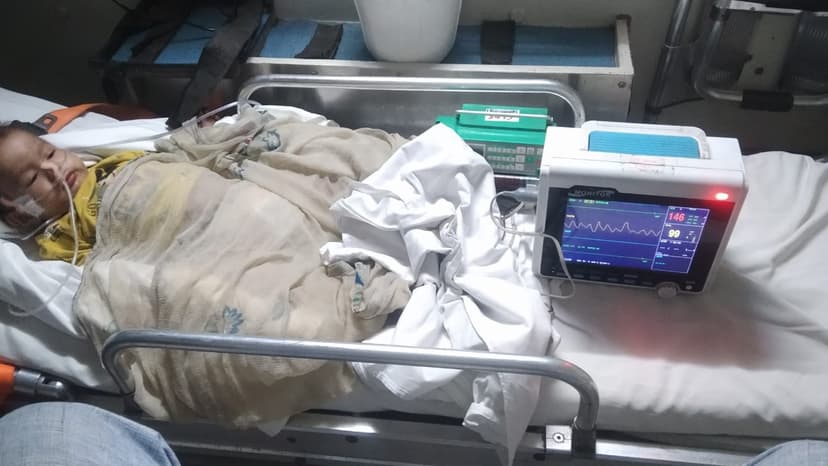
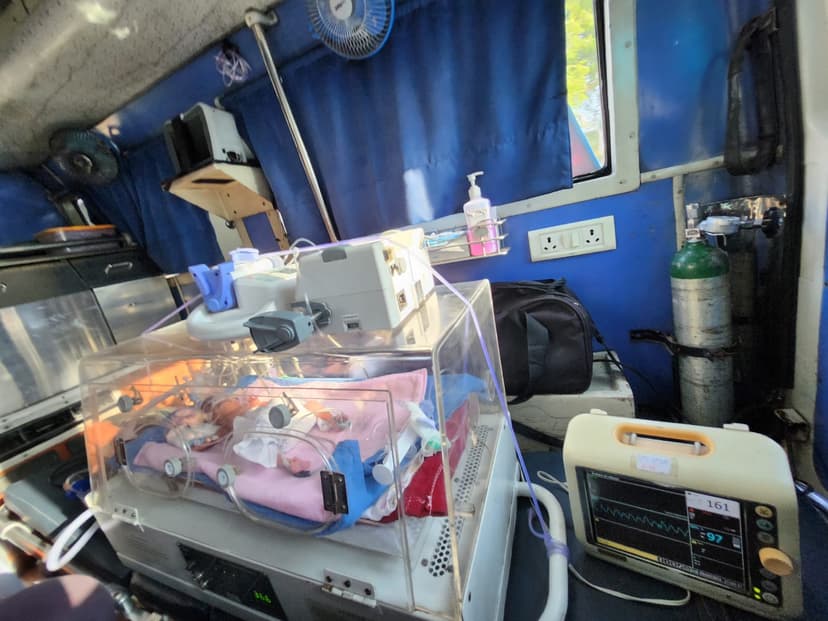
The infants were accompanied by a dedicated medical team and oxygen delivery systems. Vital
parameters were continuously monitored, and emergency medications were available to
manage any sudden change in condition. The team maintained careful positioning to support
neurological and respiratory stability throughout the flight.
Execution of the Transfer
Prior to departure, the babies were stabilized and secured for safe transport. During the flight,
oxygen therapy and monitoring continued uninterrupted. The medical team remained vigilant to
respond promptly to any emergent situation.
Arrival and Handover
On arrival in Delhi, the infants were transferred smoothly to a waiting ICU ambulance and taken
to the receiving hospital. A detailed clinical handover was provided to the pediatric team to
ensure seamless continuation of care.
Clinical Perspective
Commercial air transport for medically fragile infants demands precise coordination, specialized
equipment, and continuous monitoring. This case demonstrates how Life Savers enables safe
and effective intercity transfer of high-risk pediatric patients, bridging the gap between remote
locations and advanced medical care.
Need Emergency Ambulance?
Life Savers Ambulance operates 24x7 across India — air, rail & road.
Call 24x7: +91-9310864489