
Lifesavers Paediatric ICU Transport
Published on: March 22, 2026
continuous expert supervision. Life Savers Ambulance Services recently carried out a
high-risk paediatric ICU transport involving a one-month-old baby suffering from measles
complicated by severe chest infection and requiring High Frequency Oscillatory Ventilation HFO
during transfer.
Case Overview
The infant was initially admitted to a nursing home but showed signs of worsening respiratory
distress due to measles-associated chest infection. Given the severity of the condition and the
need for advanced pediatric intensive care the treating team advised an urgent transfer to a
higher medical center.
Recognizing the critical nature of the situation Life Savers Paediatric ICU Ambulance was
deployed for the transfer ensuring uninterrupted intensive care support throughout the journey.
Patient Condition
- Age 1 month
- Diagnosis measles with severe chest infection
- Respiratory status critically compromised
- Ventilation High Frequency Oscillatory Ventilation HFO
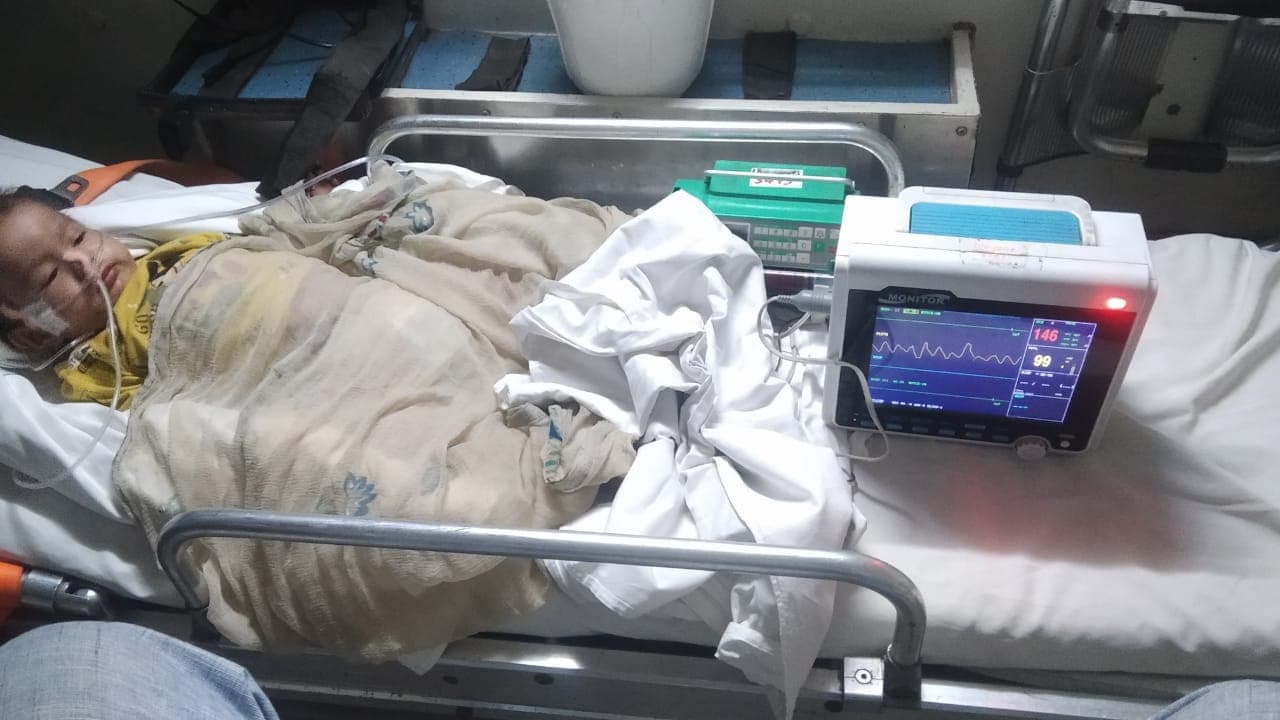
- Required constant monitoring of oxygen saturation heart rate and respiratory parameters
The use of HFO indicated a highly fragile respiratory status making this transfer extremely
sensitive and technically demanding.
Medical Setup During Transport
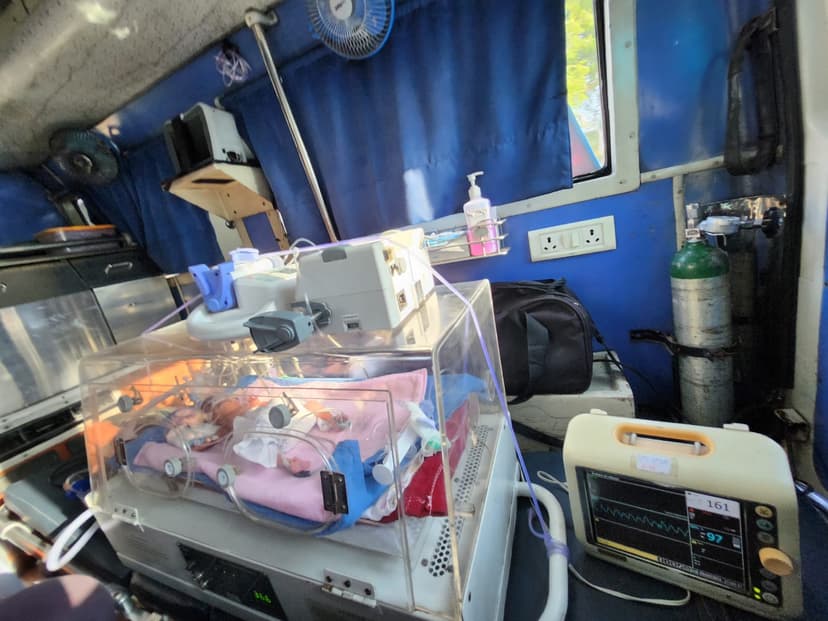
The Life Savers ICU ambulance was configured specifically for neonatal critical care including:
- High Frequency Oscillatory Ventilator suitable for neonatal use
- Advanced multiparameter monitoring
- Oxygen and airway management systems
- Emergency medications and resuscitation equipment
A qualified doctor accompanied the patient ensuring continuous clinical assessment and
immediate intervention if required.
During the transfer:
- Ventilator settings were continuously monitored and adjusted
- Vital parameters were observed without interruption
- Temperature control and infection precautions were strictly maintained
- The infant remained under constant medical supervision to prevent deterioration during
transit
The coordinated effort of the medical team ensured a stable and controlled transfer despite the
high-risk condition.
Arrival and Handover
Upon arrival at the higher medical center the baby was safely handed over to the pediatric ICU
team. A detailed clinical briefing was provided including:
- Ventilator settings and oxygen requirements
- Observations during transport
- Interventions performed en route
Clinical Perspective
Paediatric ICU transport especially involving HFO ventilation represents one of the most
complex forms of medical transfer. It requires not only advanced equipment but also trained
professionals capable of managing sudden changes in a fragile infant’s condition.
Through this successful mission Life Savers Ambulance Services once again demonstrated
its role as true Life Savers delivering ICU-level care beyond hospital walls and ensuring critically
ill infants receive the continuity of care they urgently need.
Need Emergency Ambulance?
Life Savers Ambulance operates 24x7 across India — air, rail & road.
Call 24x7: +91-9310864489