
Lifesavers Chartered Flight From Jammu To Delhi
Published on: March 22, 2026
evacuation. A patient was safely shifted from Jammu to Delhi using a Lifesavers chartered
medical flight ensuring timely access to advanced treatment facilities at a higher medical
center.
Case Overview
The patient required urgent intercity transfer due to the need for specialized care not
immediately available locally. Considering the distance time sensitivity and clinical condition a
chartered flight was chosen to minimize travel duration while maintaining continuous medical
supervision. Life Savers Ambulance Services coordinated the entire transfer from ground pickup
to hospital handover.
Patient Condition and Transport Decision
The patient’s condition demanded uninterrupted monitoring and medical support throughout the
journey. Road or rail transport would have significantly increased travel time and clinical risk. A
chartered medical flight allowed faster transfer with controlled cabin conditions suitable for
medical care.
Medical Setup During Air Transfer
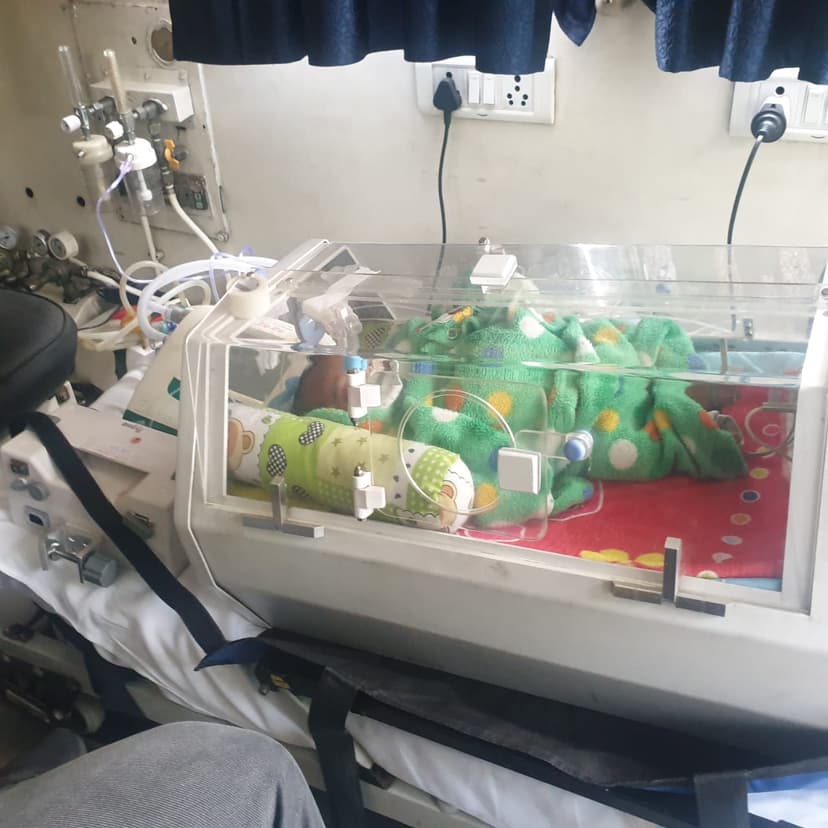
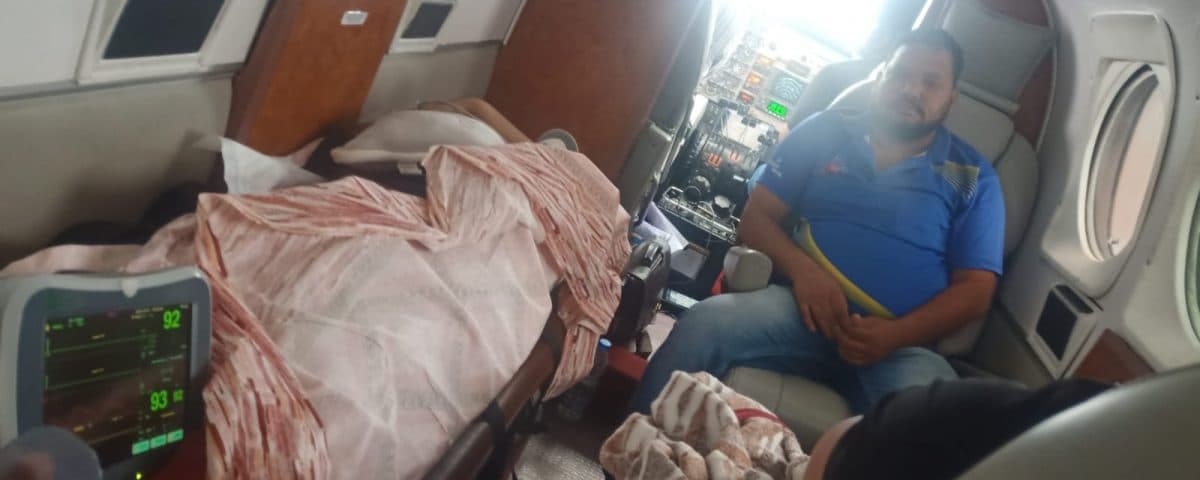
The aircraft was configured to support medical transport with essential life support equipment.
Continuous monitoring of vital parameters oxygen support and emergency medications were
available throughout the flight. The medical team ensured the patient remained stable during
takeoff flight and landing phases.
Execution of the Transfer
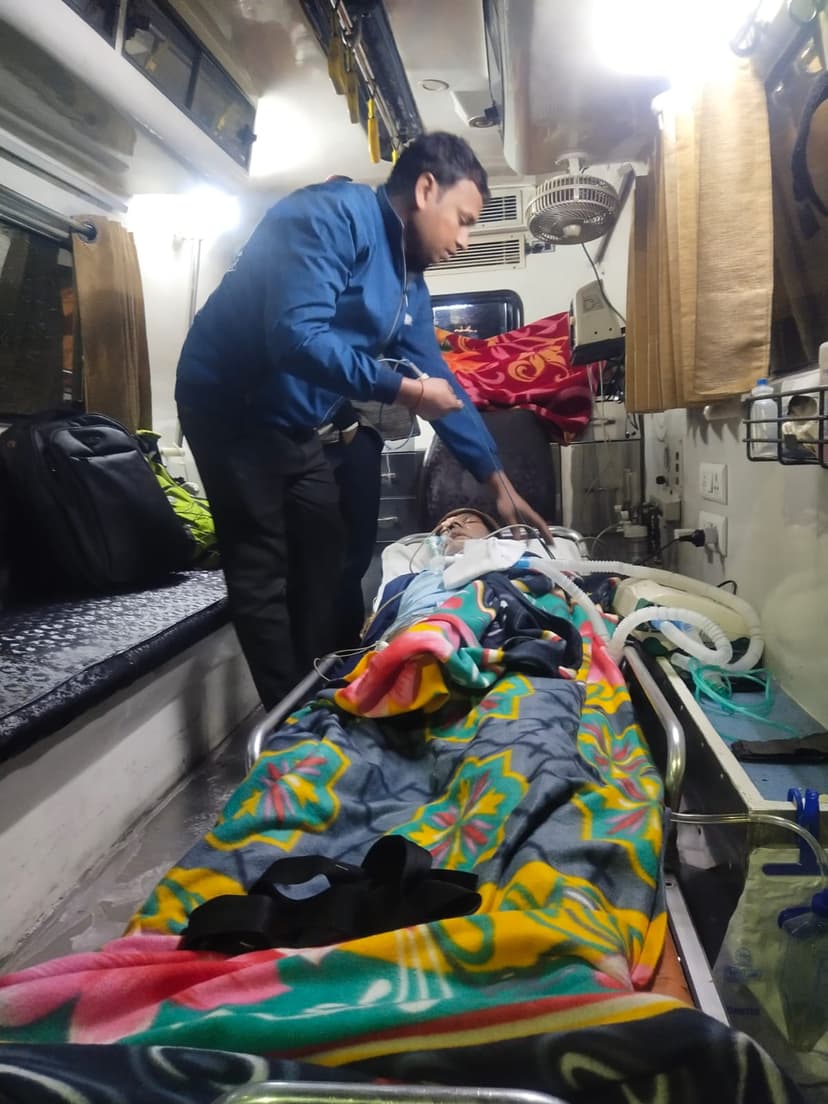
The transfer began with careful stabilization at the referring location followed by secure boarding
onto the aircraft. During the flight the patient remained under constant observation by trained
medical personnel. All necessary precautions were taken to manage pressure changes and
patient comfort during air travel.
Arrival and Hospital Handover
Upon arrival in Delhi the patient was smoothly transferred to a waiting ambulance and shifted
directly to the receiving hospital. A detailed clinical handover was provided to the hospital team
ensuring continuity of care without delay.
Clinical Perspective
Chartered medical flights play a vital role in bridging geographic gaps for critically ill patients.
This case highlights how Life Savers enables safe and efficient air medical transport when time
and clinical stability are crucial. With structured planning and skilled execution such transfers
ensure patients reach definitive care at the right time and in the right condition.
Need Emergency Ambulance?
Life Savers Ambulance operates 24x7 across India — air, rail & road.
Call 24x7: +91-9310864489