
How to Choose the Best Critical Care Transport Service_
Published on: March 22, 2026
When it comes to transporting a patient in a life-threatening condition, an ambulance can do
much more than just move them from one place to another. An advanced ambulance equipped
with modern medical tools, machinery, and a proactive team of health professionals can
stabilize a patient on the spot, provide advanced treatment during transit, and sometimes
even prevent a fatal outcome if contacted in time.
But in a critical situation, where every second counts, how do you choose the right critical care
transport service? Here are some key factors to consider:
1. Credibility
Government regulations mandate certain standards for critical care transportation. Ambulances
are usually classified into three categories:
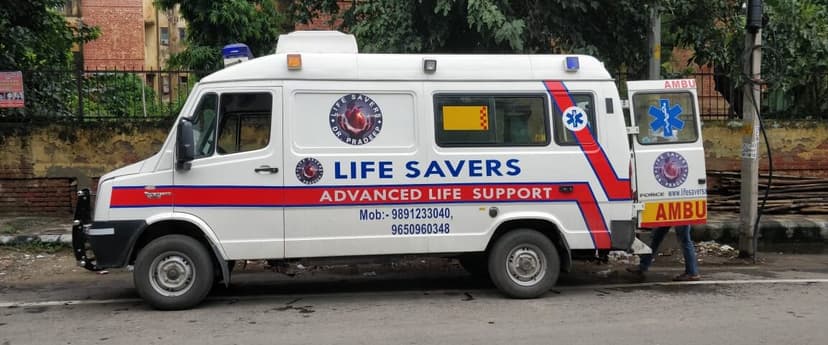
- Advanced Life Support (ALS): For patients in severe conditions requiring immediate
intervention by healthcare specialists.
- Basic Life Support (BLS): For patients in less critical conditions, where urgent medical
aid isn’t required.
- Patient Transport Ambulance: For non-emergency transfers, such as post-discharge
transport.
Before hiring, verify that the provider meets these standards. Check images of the vehicles and
their equipment, and consult local hospitals, as they often know the most reliable services in the
area.
2. Meeting Your Needs
During a medical crisis, especially the first in a family, the trauma can be overwhelming. You
need a service that takes the lead and ensures seamless patient transfer.
- For local emergencies, a road ambulance is usually sufficient.
- For intercity or international transfers, air or railway ambulances may be required.
- In critical cases, combining air and road transport ensures the patient reaches the
hospital safely and quickly.
Life Savers Ambulance provides air, road, and rail transport, ensuring patients are taken to
the right care facility without delays, no matter where they are.
3. Equipment and Staff
Modern equipment allows medical specialists to quickly detect risks and respond effectively.
However, technology alone cannot save lives. The skill and experience of doctors,
paramedics, and technicians are equally crucial.
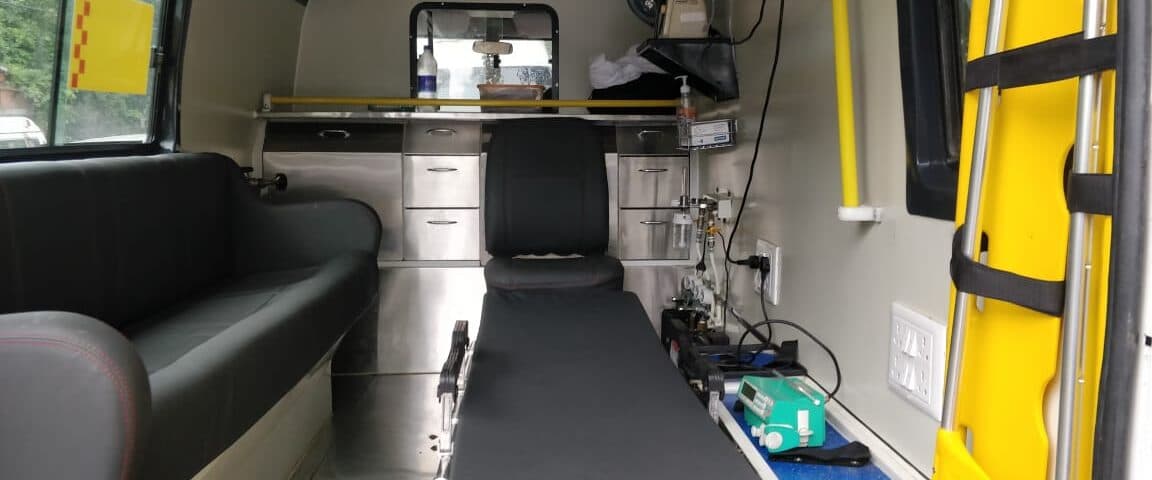
- ICU ambulances should have at least one doctor specialized in critical care, along
with trained paramedics.
- Equipment should include ventilators, cardiac monitors, oxygen support,
defibrillators, and other critical tools necessary to stabilize a patient during transit.
4. Deployment and Availability
A reliable critical care transport service should offer:
- 24/7 helpline for immediate support and guidance.
- Continuous, uninterrupted patient transfer without unnecessary breaks, minimizing
transit time to the hospital.
- Flexible services, including transport back home after treatment, ensuring complete
patient care.
Conclusion
Choosing the right critical care transport service can make the difference between life and
death. Ensure the provider is credible, equipped with advanced machinery, staffed by skilled
professionals, and available around the clock. Services like Life Savers Ambulance combine
road, air, and rail transport to deliver timely, efficient, and high-quality medical care, giving your
loved ones the best chance of survival and recovery.
Need Emergency Ambulance?
Life Savers Ambulance operates 24x7 across India — air, rail & road.
Call 24x7: +91-9310864489