

How to Know If Your Chest Pain Requires Urgent Medical Assistance_
Published on: March 22, 2026
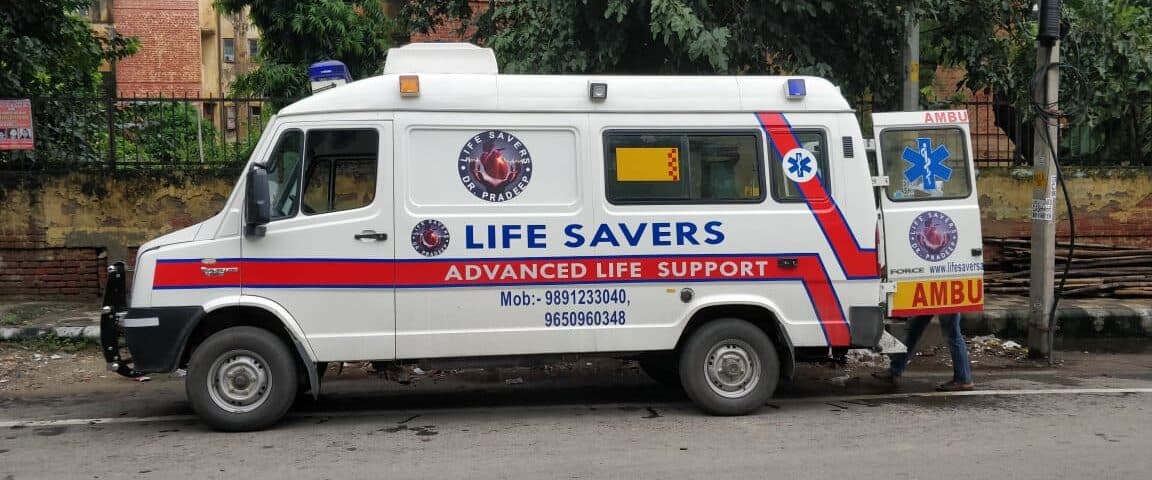
Chest pain can range from minor discomfort to a life threatening emergency. Recognizing when
it requires urgent medical assistance is critical to prevent complications involving the heart or
lungs.
Case Overview
Chest pain is often difficult to interpret especially when symptoms appear mild or inconsistent.
Some serious cardiac conditions do not begin with severe pain. Life Savers Ambulance
Services manages emergency chest pain situations with the understanding that early
assessment during transfer can significantly influence outcomes.
Patient Condition
Chest pain does not always correlate with severity. Conditions such as coronary artery disease
or silent cardiac events may present with minimal discomfort. Pain lasting more than a few
minutes recurring episodes or symptoms accompanied by breathlessness sweating or radiating
discomfort should be treated with caution. Ignoring persistent chest pain can allow
complications to progress unnoticed.
Transport Decision
When chest pain raises concern an emergency medical ambulance is clinically preferred over
self transport. Traveling in a monitored environment ensures that sudden deterioration can be
addressed immediately. Life Savers supports timely transfer to hospital care while minimizing
risks during the most uncertain phase of symptoms.
Medical Setup
The ambulance is equipped for cardiac observation including ECG monitoring oxygen support
and emergency medications. This setup allows early identification of abnormalities and initiation
of stabilization measures before hospital arrival.
Execution
During transit vital signs are closely observed and symptoms are reassessed continuously. If
warning signs escalate paramedics follow standard emergency protocols to support circulation
breathing and cardiac rhythm. This early intervention window is critical in preventing further
damage.
Arrival and Handover
On reaching the hospital the patient is transferred directly to emergency evaluation. A clear
handover includes symptom history vitals observations and any care provided during transport
ensuring continuity without delay.
Clinical Perspective
Chest pain should never be judged solely by intensity or familiarity. Timely recognition and
monitored transport are essential in reducing preventable complications. Life Savers follows a
clinically cautious approach ensuring that patients with possible cardiac risk receive appropriate
attention during the crucial pre hospital phase.
Need Emergency Ambulance?
Life Savers Ambulance operates 24x7 across India — air, rail & road.
Call 24x7: +91-9310864489