
How Our Friendly Paramedics Make Your Child’s Journey Safe on Emergency Medical Vehicle_
Published on: March 22, 2026
Ambulance Support
Emergency pediatric transfers require not only clinical expertise but also emotional sensitivity.
During a child’s journey in an emergency medical vehicle, calm communication, age-appropriate
care, and trust-building play a crucial role in ensuring safety and stability before hospital arrival.
Case Overview
When a pediatric emergency arises, the ambulance environment can feel overwhelming for a
child. Sirens, medical equipment, and unfamiliar faces often trigger fear and resistance. Life
Savers Ambulance Services approaches pediatric transfers with a clear understanding that a
child’s emotional response can directly influence clinical outcomes during transit.
Patient Condition
Children experiencing medical distress often lack the emotional resilience to comprehend the
urgency of treatment. Past hospital experiences, fear of injections, or separation anxiety can
heighten stress, which may worsen symptoms such as breathlessness, tachycardia, or agitation.
Managing both the physical condition and emotional state becomes equally important during
emergency ambulance transfers.
Transport Decision
In pediatric emergencies requiring rapid hospital access, an emergency medical ambulance is
selected to ensure continuous monitoring and immediate intervention if needed. The decision
prioritizes proximity to the appropriate facility, the child’s stability, and the presence of trained
paramedics experienced in pediatric care.
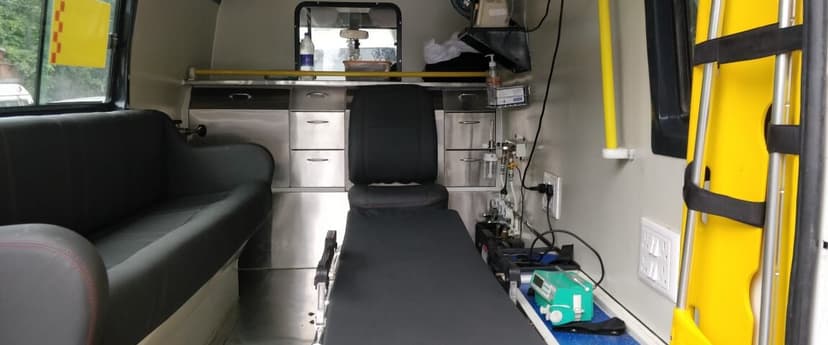
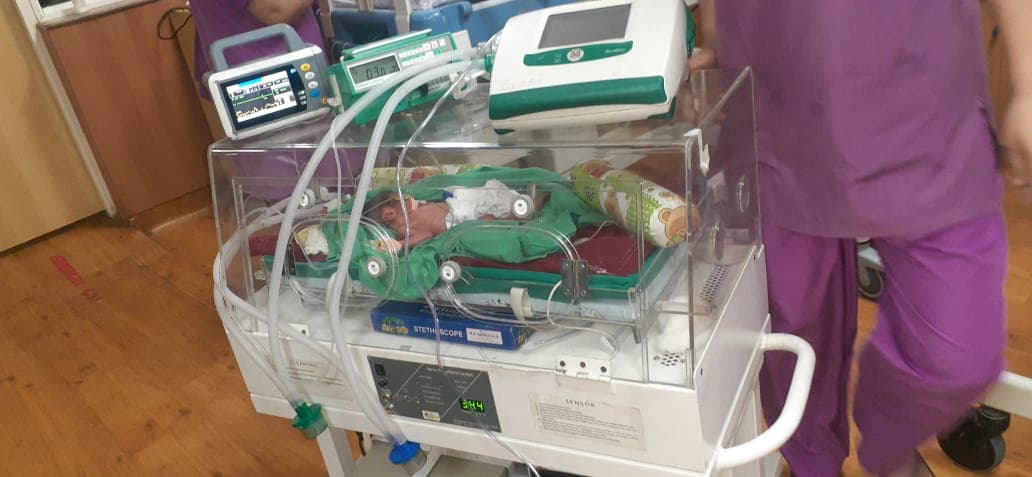
Medical Setup
The ambulance is prepared with child-appropriate medical equipment, including pediatric
oxygen interfaces, weight-based medication dosing systems, and monitoring devices calibrated
for children. Life Savers ensures that every setup aligns with pediatric clinical standards,
recognizing that children are not simply smaller adults but patients with distinct physiological
needs.
Execution
During transit, paramedics maintain a calm and reassuring demeanor. Clear, simple
communication is used to explain procedures in an age-appropriate manner. Positive distraction
techniques—such as casual conversation, familiar topics, or gentle reassurance—help reduce
fear and encourage cooperation. For older children and adolescents, brief explanations of the
ongoing care foster understanding and trust.
Parental involvement is encouraged, as a child’s emotional stability is closely linked to the
parent’s confidence. Throughout the journey, paramedics provide updates while maintaining
composure, ensuring that anxiety does not escalate within the ambulance environment.
Arrival and Handover
Upon reaching the hospital, a structured handover is conducted with the receiving medical
team. Vital signs, interventions performed, medication administered, and behavioral
observations are communicated clearly. This continuity ensures that the child’s care progresses
smoothly from ambulance transfer to in-hospital treatment.
Clinical Perspective
Pediatric emergency transport extends beyond technical medical intervention. It requires
patience, psychological awareness, and clinical precision. Life Savers recognizes that earning a
child’s trust during transit can significantly influence stabilization and cooperation. By combining
medical accuracy with compassionate interaction, pediatric ambulance transfers can remain
safe, controlled, and respectful—even in high-stress situations.
Need Emergency Ambulance?
Life Savers Ambulance operates 24x7 across India — air, rail & road.
Call 24x7: +91-9310864489