
How Life Savers Private Ambulance Team Work at Night!
Published on: March 22, 2026
Medical emergencies do not follow the clock. During night hours road ambulance services play
a critical role in ensuring uninterrupted care when patients are most vulnerable and access to
immediate help becomes essential.
Case Overview
Emergency response at night demands the same clinical accuracy and alertness as daytime
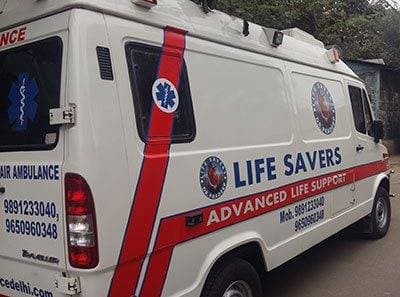
operations often under more challenging conditions. Life Savers Ambulance Services maintains
round-the-clock readiness through trained night teams who manage emergency road
ambulance transfers with consistency and discipline.
Patient Condition
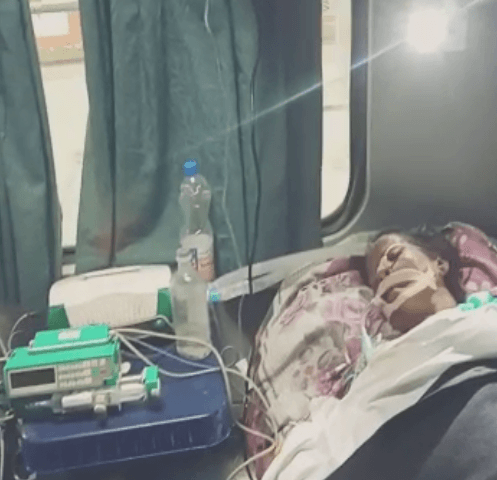
Night-time emergencies frequently involve patients in unstable conditions including trauma
cardiac distress respiratory difficulty or sudden deterioration at home. Reduced visibility fatigue
and delayed symptom recognition can increase risk which makes structured ambulance
response vital during these hours.
Transport Decision
When a medical emergency occurs at night a road ambulance is often the fastest and most
reliable mode of transport. Life Savers ensures that night deployments are staffed with trained
paramedics nursing support and drivers experienced in navigating low visibility traffic conditions
while maintaining patient safety.
Medical Setup
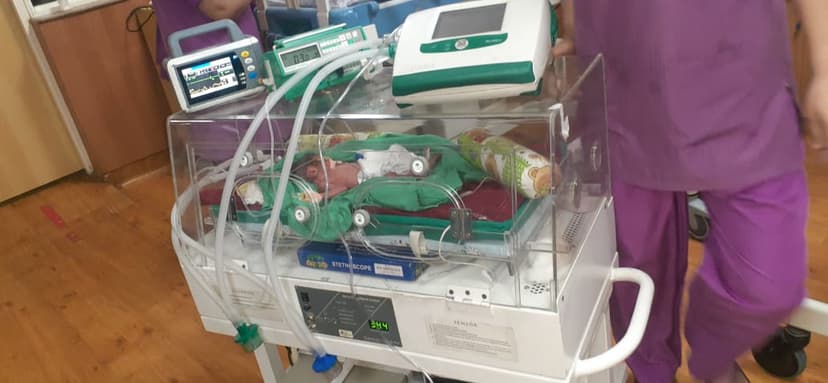
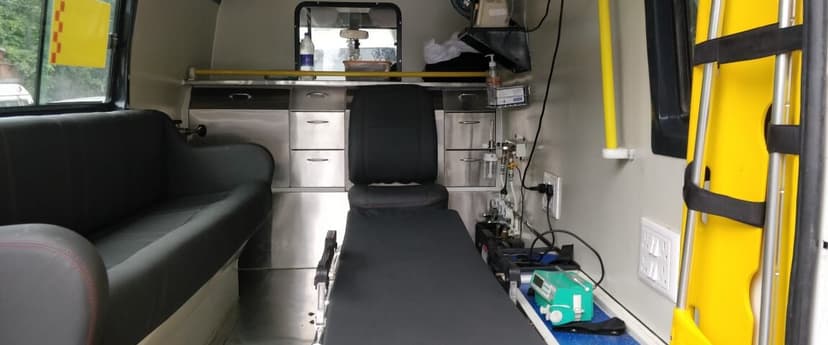
Night ambulances are equipped with essential life support systems including oxygen delivery
monitoring devices emergency medications and communication tools. Equipment checks are
completed before every shift to ensure readiness without dependency on daytime resources.
Execution
Night shift teams follow disciplined routines to maintain performance. Physical fitness balanced
nutrition and planned rest cycles allow them to remain alert throughout long hours. Light meals
before duty prevent fatigue during extended transfers while hydration is maintained consistently.
Sleep routines are carefully structured during daytime hours using controlled environments that
support rest and recovery. This adaptation enables night staff to function with the same mental
clarity as daytime teams.
Operational preparedness includes route planning hospital coordination equipment backups and
real time tracking. During transfers paramedics focus on stabilizing the patient monitoring vitals
and addressing immediate clinical needs until hospital arrival.
Arrival and Handover
On reaching the hospital a structured clinical handover is conducted. Patient condition vitals
interventions and observations made during transit are communicated clearly to the receiving
medical team ensuring continuity of care despite the late hour.
Clinical Perspective
Night-time ambulance operations require planning discipline and physiological adaptation.
Consistent performance during these hours is the result of structured routines and clinical
training rather than improvisation. Life Savers follows this approach to ensure that emergency
road ambulance services remain reliable safe and clinically effective at all times including
through the night.
Need Emergency Ambulance?
Life Savers Ambulance operates 24x7 across India — air, rail & road.
Call 24x7: +91-9310864489