
A Sneak Peek into the Life Saving Ventilator Ambulance_ People & Equipment that make them work!
Published on: March 22, 2026
Make Them Work
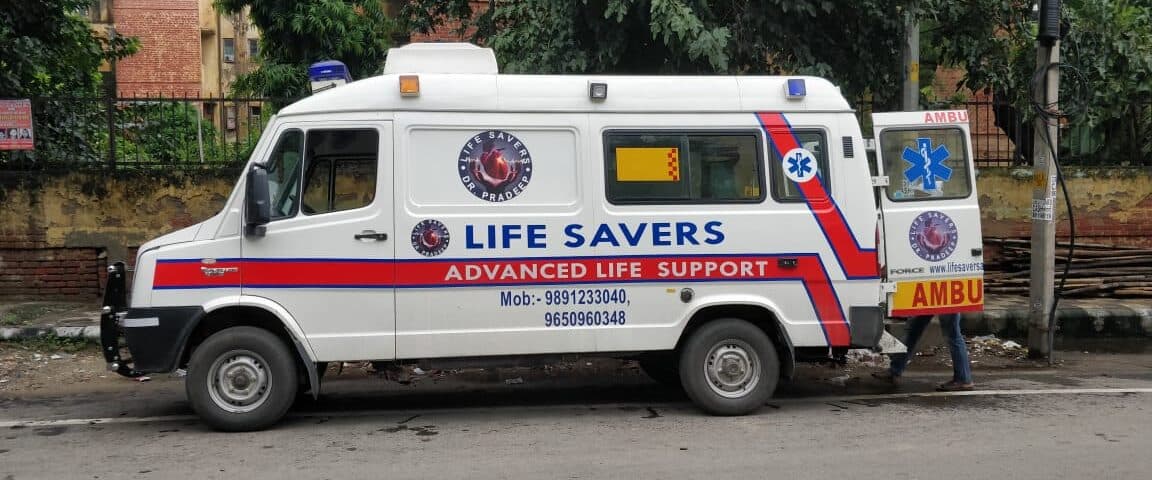
When you or a loved one faces a life-threatening medical situation, the first thought is to call a
Life Savers ventilator ambulance. The arrival of the advanced medical vehicle brings immediate
relief and hope. But what exactly makes a ventilator ambulance a life-saving instrument? Often,
patients on the brink of critical deterioration are stabilized within minutes by the paramedic team
onboard.
Case Overview
Life Savers ventilator ambulances are designed to provide advanced life support during
transport for patients with severe respiratory, cardiac, or trauma-related conditions. They
combine a highly skilled medical team with essential equipment to ensure continuous critical
care from home to hospital.
Patient Condition
Patients requiring ventilator ambulances often have compromised breathing, unstable vitals, or
severe injuries that cannot be managed safely in a standard ambulance. Conditions may include
respiratory failure, cardiac emergencies, severe trauma, or patients on life-support systems.
Transport Decision
For patients whose health can deteriorate rapidly during transport, a ventilator ambulance
provides a controlled environment. The decision to deploy this specialized ambulance is based
on clinical urgency, the need for continuous oxygenation, cardiac monitoring, and advanced life
support interventions en route to the hospital.
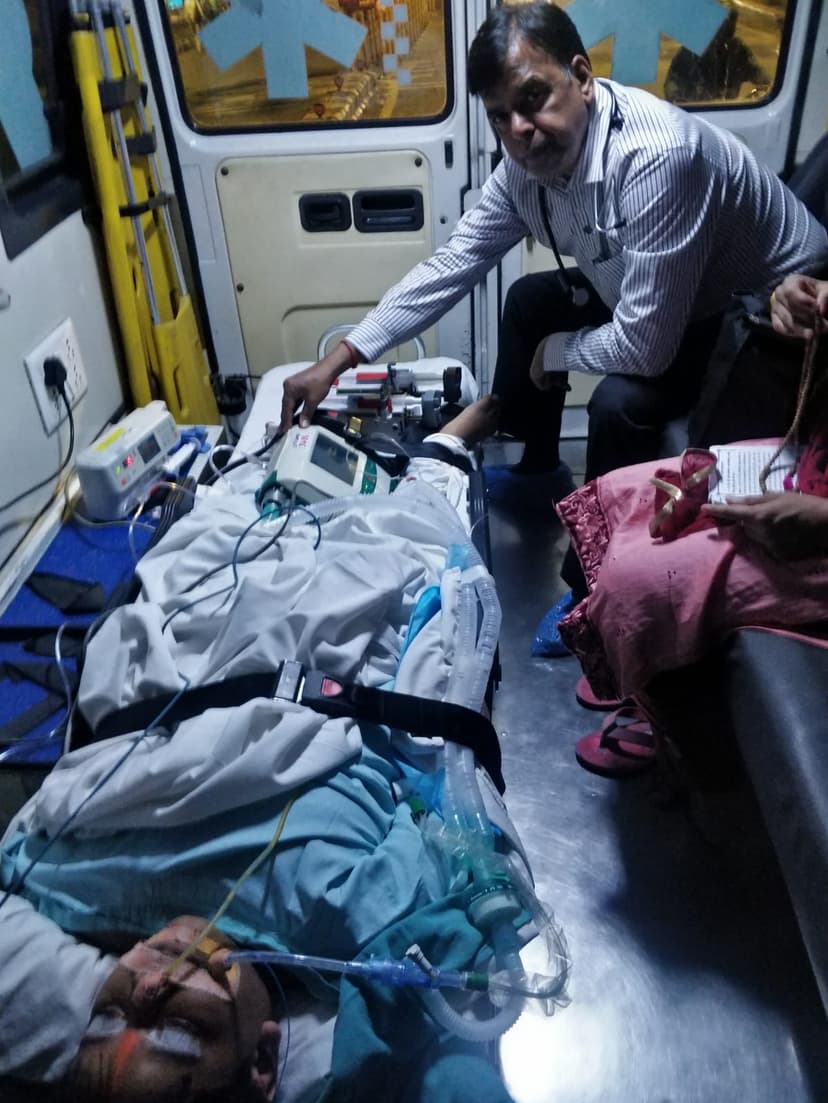
Paramedics
Paramedics are the cornerstone of life-saving interventions. Trained to make rapid, critical
decisions, they assess patient vitals, administer medications, and operate life-support
equipment efficiently. They are often assisted by technicians who monitor equipment and
provide additional clinical support.
Valve Mask
Also known as an Ambu mask, this device delivers oxygen directly to the patient’s mouth and
nose. Its portability allows patients who cannot change position to receive uninterrupted oxygen
support.
Suction Unit
Used to clear airway obstructions caused by mucus, fluids, or other substances, the suction unit
ensures the patient can breathe freely. This device is particularly useful for patients with
respiratory distress, including asthmatic emergencies.
Stretcher / Spinal Board
For patients unable to move due to fractures or severe trauma, stretchers and spinal boards
ensure safe transport without exacerbating injuries. Spinal boards maintain proper alignment of
the spine, while wheeled cots allow direct transfer to hospital wards.
Ventilator
A critical component of ICU ambulances, ventilators support or replace the patient’s breathing.
They ensure oxygen delivery even when the patient is unable to breathe independently.
Paramedics adjust ventilator settings to maintain optimal respiratory function throughout
transport.
Artificial Cardiac Pacemaker
This device helps normalize extremely low heart rates using electrical stimulation. It is essential
for patients with bradycardia or compromised cardiac output, ensuring the heart maintains an
adequate pace during transit.
Nebulizer
The nebulizer delivers liquid medications as a mist, allowing rapid absorption into the
bloodstream. It is particularly useful for patients who cannot take oral medications due to their
critical condition.
Additional Equipment
Other essential devices such as pulse oximeters, cervical collars, and portable glucometers
support continuous monitoring and timely interventions. This comprehensive setup enables the
medical team to make critical, time-sensitive decisions while en route.
Clinical Perspective
Life Savers ventilator ambulances combine expert medical personnel with specialized
equipment to provide uninterrupted critical care. The coordinated use of advanced devices
ensures patient stability, immediate intervention for emergencies, and safe transfer to definitive
care. With trained professionals and a fully equipped ambulance, patients receive the highest
level of attention and clinical support from the moment the team arrives.
Need Emergency Ambulance?
Life Savers Ambulance operates 24x7 across India — air, rail & road.
Call 24x7: +91-9310864489