
Lifesavers Air Ambulance From Srinagar Base Hospital To Delhi Max Hospital
Published on: March 22, 2026

Srinagar to Delhi - Air Ambulance Transfer
Srinagar to Delhi - Air Ambulance Transfer for Sepsis With Respiratory Distress
Timely air evacuation can be life preserving when an elderly patient develops severe infection
with breathing difficulty. An 87 year old woman was safely transferred from Srinagar Base
Hospital to Max Hospital Saket Delhi using a Life Savers Air Ambulance under continuous
The patient was admitted at the base hospital in Srinagar with sepsis and acute respiratory
distress. Given her advanced age and rapidly worsening oxygen requirement the treating team
advised urgent transfer to a higher center in Delhi for advanced critical care. Life Savers
Ambulance Services coordinated the air transfer ensuring continuity of medical support throughout the journey.
Patient Condition Before Transfer
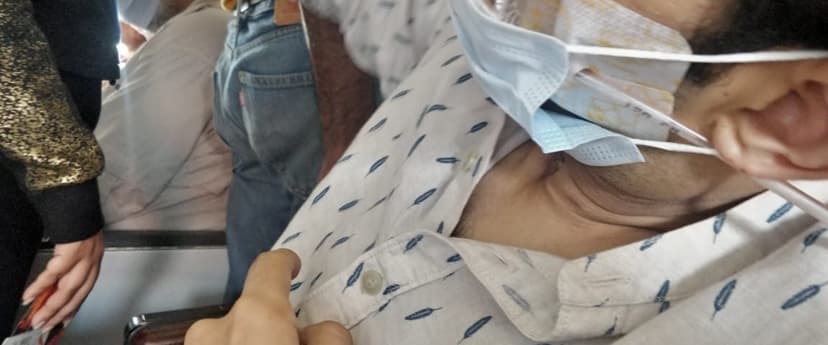
At the time of evacuation the patient was clinically unstable with signs of systemic infection and
labored breathing. She required very high flow oxygen support through a mask to maintain
adequate oxygen saturation. Elderly patients with sepsis are particularly vulnerable during
movement making careful planning essential.
Considering the distance terrain and urgency road or rail transfer was not suitable. An air
ambulance in India was chosen to reduce travel time and minimize physiological stress. The
decision focused on rapid access to advanced ICU care while maintaining close monitoring
Medical Setup During Air Transfer
The air ambulance was equipped to function as a flying ICU. High flow oxygen delivery systems
multiparameter monitoring emergency medications and airway management equipment were
arranged prior to departure. The medical team continuously assessed respiratory status blood
pressure and overall stability during the flight.
Execution of the Transfer
The patient was stabilized at Srinagar Base Hospital before boarding. During the flight oxygen
therapy was carefully titrated and vitals were monitored without interruption. The medical team
remained vigilant to manage sepsis related fluctuations and ensure patient comfort.
Arrival and Hospital Handover
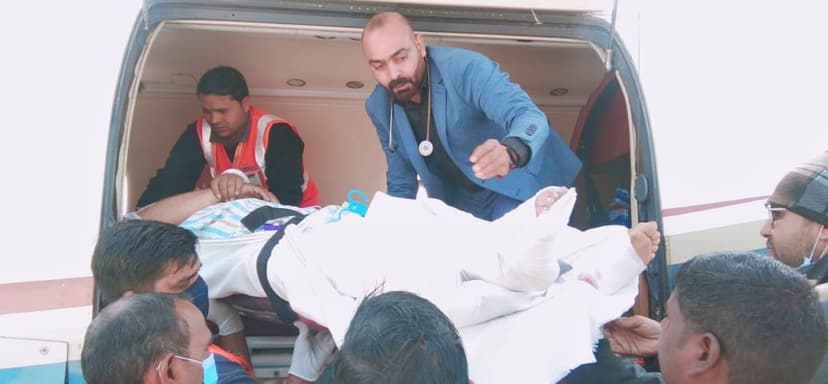
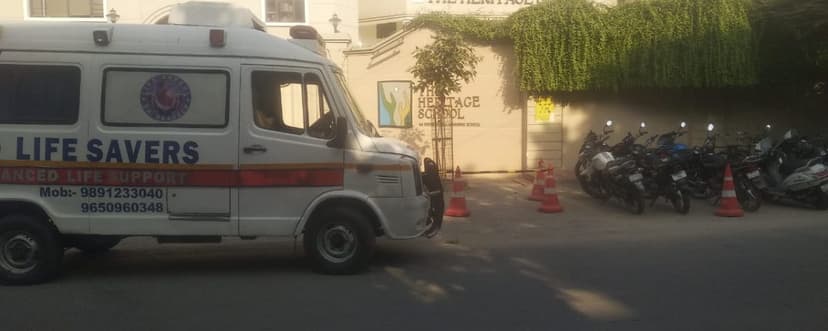
On landing in Delhi the patient was transferred directly to a waiting ambulance and shifted to
Max Hospital Saket. A detailed clinical handover was provided to the receiving ICU team
enabling immediate continuation of definitive treatment.
Air ambulance transfers play a crucial role in managing critically ill elderly patients when time
sensitive escalation of care is required. This case highlights how Life Savers acts as a reliable
bridge between stabilization and advanced treatment. Through structured coordination and
disciplined medical care high risk transfers such as sepsis with respiratory distress can be
performed safely and efficiently.
Need Emergency Ambulance?
Life Savers Ambulance operates 24x7 across India — air, rail & road.
Call 24x7: +91-9310864489