
ICU Transportation Of Injured Baby From Gwalior To Delhi
Published on: March 22, 2026
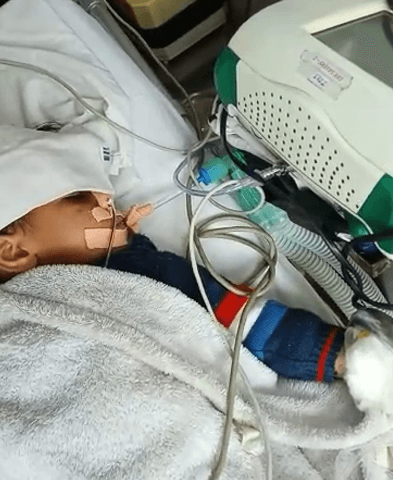
monitoring and controlled execution. Pediatric ICU transportation plays a vital role in stabilizing
young patients until definitive treatment is available.
Case Overview
Life Savers Ambulance Services conducted an ICU ambulance transfer of an injured baby from
Gwalior to Delhi following a severe head injury. The decision for intercity transfer was taken to
ensure access to specialized pediatric and neurosurgical care available at a higher center.
Patient Condition
The infant had sustained a significant head injury placing the patient at risk of neurological
deterioration. Such injuries in infants demand careful airway protection neurological monitoring
and prevention of secondary brain injury during movement and transport.
Transport Decision
An ICU ambulance was selected due to the critical nature of the injury and the need for
continuous medical supervision during the long distance journey. Life Savers ensured that the
transfer was planned with stabilization as the primary objective rather than speed alone.
Medical Setup
The ICU ambulance was prepared with pediatric appropriate monitoring equipment oxygen
support airway management tools and emergency medications suitable for infant care. All
systems were checked prior to departure to maintain uninterrupted support throughout the
journey.
Execution
The transfer was carried out under the supervision of a doctor along with trained medical
technicians. Vital signs neurological status and oxygenation were closely monitored during
transit. The medical team focused on maintaining hemodynamic stability and minimizing
movement to protect the injured brain.
Arrival and Handover
Upon arrival in Delhi the baby was handed over directly to the receiving hospital team. A
detailed clinical handover was provided including injury details vitals observed during transport
and all interventions performed en route to ensure seamless continuation of care.
Clinical Perspective
Pediatric ICU transfers require specialized expertise and heightened vigilance due to the
vulnerability of infants. Coordinated planning medical supervision and appropriate equipment
are essential to reduce transport related risks. Life Savers follows a structured clinical approach
to ensure safe and dignified transfer of critically injured children between cities.
Need Emergency Ambulance?
Life Savers Ambulance operates 24x7 across India — air, rail & road.
Call 24x7: +91-9310864489