
Call Life Savers Emergency Ambulance In Heart Attack
Published on: March 22, 2026
monitoring during transfer can significantly influence patient outcomes. Understanding the role
of emergency cardiac transport helps families act decisively during critical moments.
Case Overview
With rising stress levels and lifestyle related risk factors cardiac events are increasingly reported
across younger age groups. Even individuals without known heart disease may experience
sudden symptoms. In such situations Life Savers Ambulance Services manages emergency
cardiac transfers with a focus on early assessment stabilization and timely hospital coordination.
Patient Condition
A heart attack does not always present with severe or obvious symptoms. Patients may report
mild chest discomfort breathlessness sweating nausea or pain radiating to the arm jaw or back.
Because symptoms can be subtle delays in medical evaluation increase the risk of
complications such as rhythm disturbances or cardiac arrest during transit.
Transport Decision
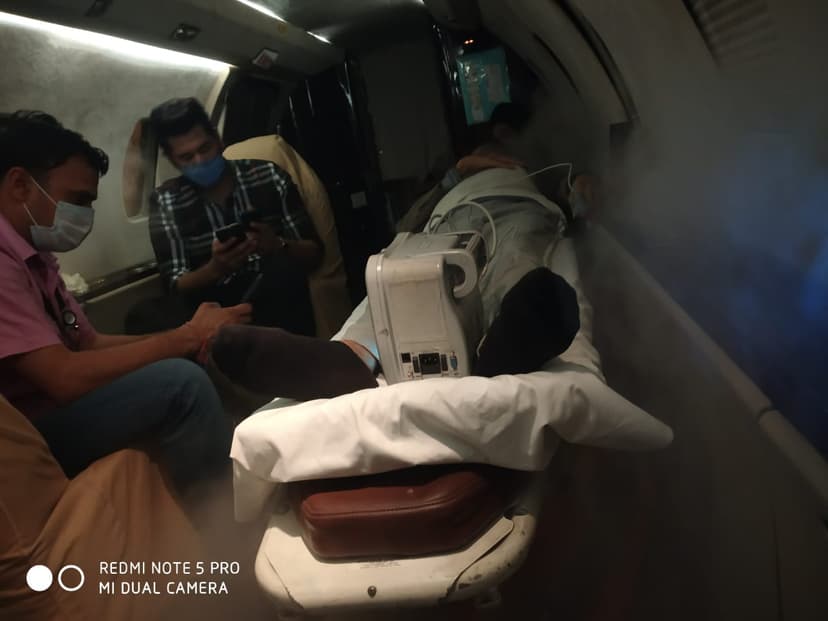
When a heart attack is suspected transport through an emergency medical ambulance is
clinically preferred over private vehicles. This allows continuous monitoring and immediate
medical intervention if the patient’s condition worsens. Life Savers prioritizes supervised transfer
to reduce risks during the most unstable phase of cardiac events.
Medical Setup
The ambulance is prepared with advanced life support equipment including ECG monitoring
oxygen delivery systems defibrillators and emergency cardiac medications. An initial ECG is
performed during transit and shared with the receiving hospital enabling the cardiology team to
prepare in advance.
Execution
Throughout the journey vital signs are continuously monitored and documented. If ECG
abnormalities or sudden deterioration occur paramedics initiate standard cardiac protocols. In
rare cases of cardiac arrest cardiopulmonary resuscitation is performed immediately to restore
circulation until hospital care is reached.
Arrival and Handover
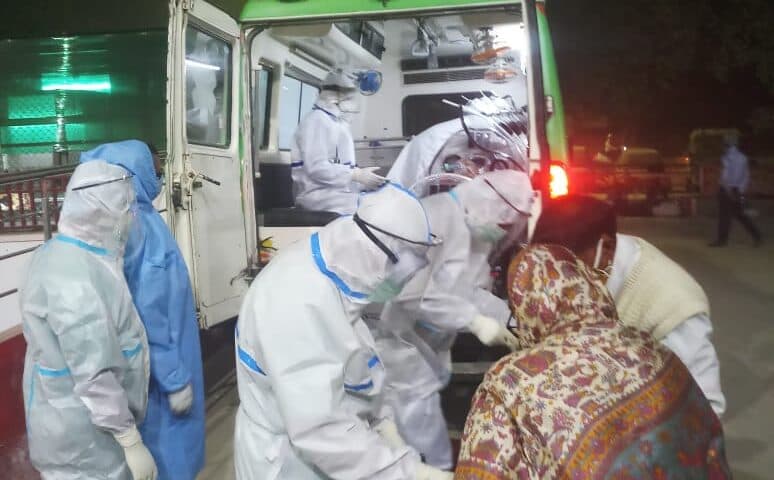
On arrival the patient is shifted directly to emergency or cardiology care. A structured clinical
handover includes ECG findings symptom progression vitals and all interventions performed
during transport. This ensures continuity of care without delays in critical decision making.
Clinical Perspective
Emergency cardiac care begins well before hospital admission. Monitored transport early
assessment and clear coordination between ambulance and hospital teams are essential to
patient safety. Life Savers follows this clinically guided approach to support patients during the
most vulnerable window between symptom onset and definitive treatment.
Need Emergency Ambulance?
Life Savers Ambulance operates 24x7 across India — air, rail & road.
Call 24x7: +91-9310864489